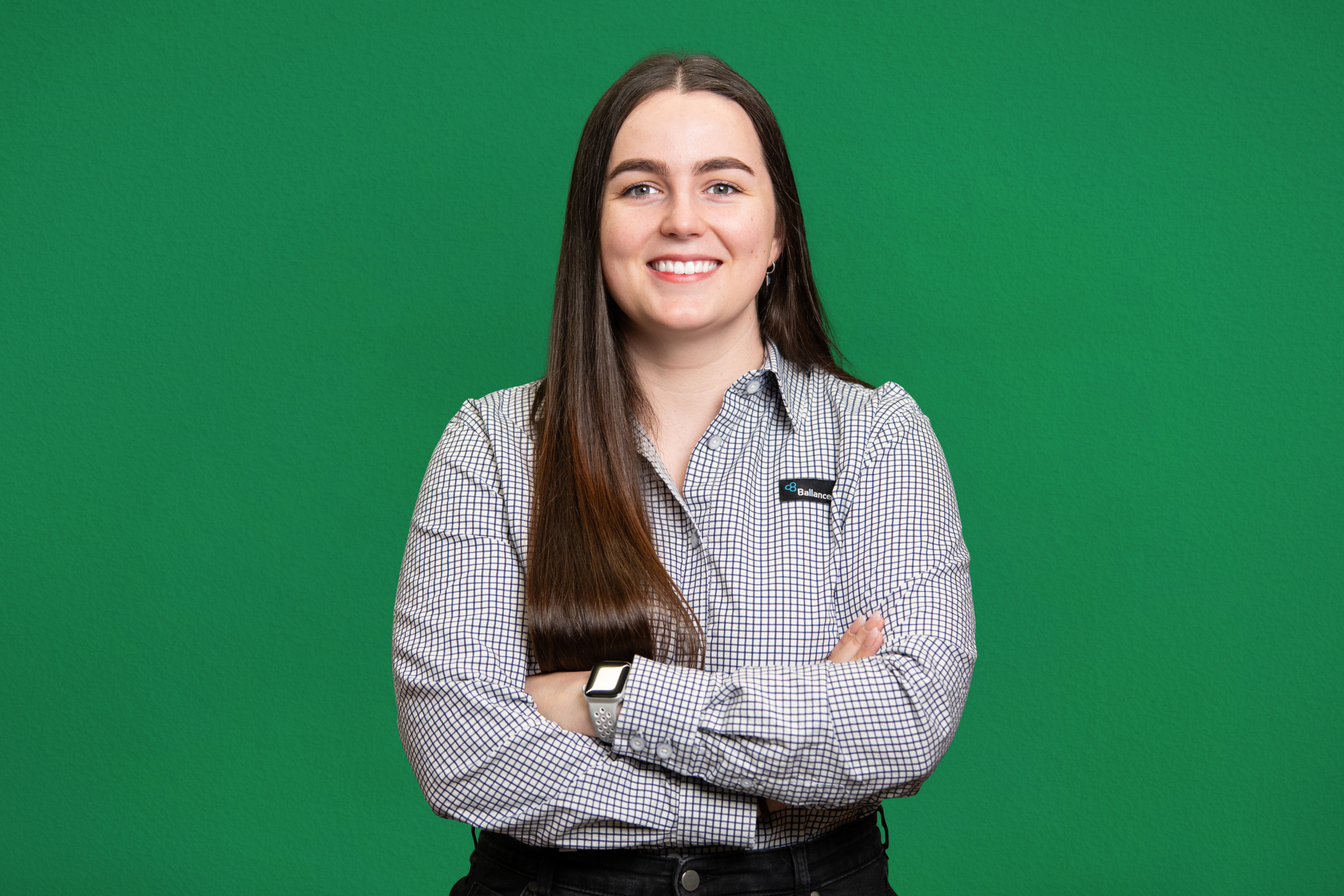
What does a typical day in your role look like?
No two days are the same in my role, and that’s one of the things I enjoy most. Some days I’m out in the field doing soil and leaf testing or assessing soil health. Other days I’m in the office reviewing results and creating fertiliser plans. A big part of my job is sitting down with growers — often in their sheds or homes — to go over their results. I explain what the values mean and how I’ve tailored their fertiliser plan based on their soil tests, production goals, and soil health targets. I also contribute to industry events, presenting insights and sharing knowledge with other growers. I spend time at Ballance service centres, with spreading contractors, and with technical advisors from Farmlands and Fruitfed.
How did you get into this role?
I got into this role through a mix of family influence, company culture, and education. My grandparents were kiwifruit growers in Te Puke for over 30 years, and I spent a lot of time in the orchard with them growing up. That early exposure sparked my interest in horticulture and gave me a strong connection to the land. When I was offered the role at Ballance, the company culture was a major factor in accepting — it genuinely feels like a family. The people I work with are more than colleagues; they’re friends. I’ve always appreciated workplaces that organise social events outside of work, as they help build strong relationships and make work enjoyable. Ballance also invests in its people through development plans, training, and ongoing support.
Did you need to study for this role, if so, what did you study?
I studied Chemistry and Plant Biology, and completed an Honours degree in Green Chemistry. My studies gave me a solid understanding of nutrient cycles, soil chemistry, and sustainability — all of which are important in my role. While my background is science-focused, many of my colleagues have degrees in Agricultural Science or Agribusiness. These qualifications are helpful but not essential. Plenty of people in the industry haven’t studied formally but bring valuable hands-on experience from growing up on orchards or farms. So while a qualification can help, it’s not the only way into this career.
What do you enjoy most about your work?
I love working with growers and helping them reach their orchard goals — whether that’s improving production, soil health, or both. I’m a chatty, people-oriented person, so I enjoy getting to know growers and their families. They’re generous and kind — I often leave with fresh produce or home baking! I also learn a lot from them, not just about horticulture but about life. Many share business and financial tips that I really value. I also enjoy the variety in my work. Every day is different, with new challenges and learning opportunities. The industry is constantly evolving, so there’s always something new to stay curious about.
What’s something unique, surprising, or fun about your role or team?
One unique thing about my team — the Eastern North Island Sales team at Ballance — is how diverse we are. We come from different ages, genders, backgrounds, and career paths, which creates a dynamic and supportive environment. Everyone brings their own strengths, and we learn a lot from each other. Whether it’s technical knowledge, people skills, or different ways of solving problems, that diversity makes our work more interesting and helps us grow as a team.
What advice would you give someone interested in your role or career path?
There are so many different roles and opportunities in horticulture. Whether you’re into science, technology, finance, maths, or just love being outdoors, there’s a place for you. One of the most inspiring parts of my job is working with people from all kinds of backgrounds, all united by a shared goal of helping the industry thrive. You don’t have to study horticulture or agriculture to get started. Many people learn on the job, while others bring skills from areas like business, marketing, or environmental science. No matter your path, there are plenty of ways to apply your strengths and make a meaningful contribution.
Anything else that you would like to add?
One thing that really stands out to me about this industry is the incredible support and opportunity available — especially compared to other industries I’ve worked in. Groups like Future Leaders help connect emerging talent across the sector, offering chances to network, attend events, and build leadership skills. I’ve also had the privilege of being selected for the Bay of Plenty Young Grower competition. It’s an amazing initiative that challenges and grows the skill set of young people in the industry.